
MEET
THE MOUNTAINEERS
These are our Mountaineers, people who have all led organisations to pioneering success on behalf of the people they serve, their customers as we refer to them.
Find out a little more about each person’s story below.


Riam Kanso
… who has, since 2017 been pioneering a new and better way to realise value for many from the research of PhD students. Having a PhD herself, she knew the ‘customer’ view, but she learned more when asked to help commercialise cutting edge PhD research at UCL Engineering. PhDs have been traditionally overlooked in the field of research commercialisation, with a lot more support available to later-stage academics. However, they tend to have favourable IP ownership laws in many universities. So working in UCL and supported by another Mountaineer, Steven Roberts and Barclays Eagle Labs, they held their first selection round, found some good prospects and off they went, learning how to help PhD scientists become successful deep tech entrepreneurs. It’s working! By 2024, partnering with 50+ universities across more than 400 projects since the start, with 125 companies created, investor relationships built and one exit achieved. The Conception X team coined the term 'Venture Scientist'; which is now being adopted and used widely. The model works, pioneering has been achieved… and there’s so much more potential still to realise.
Sigrid Van Den Houte
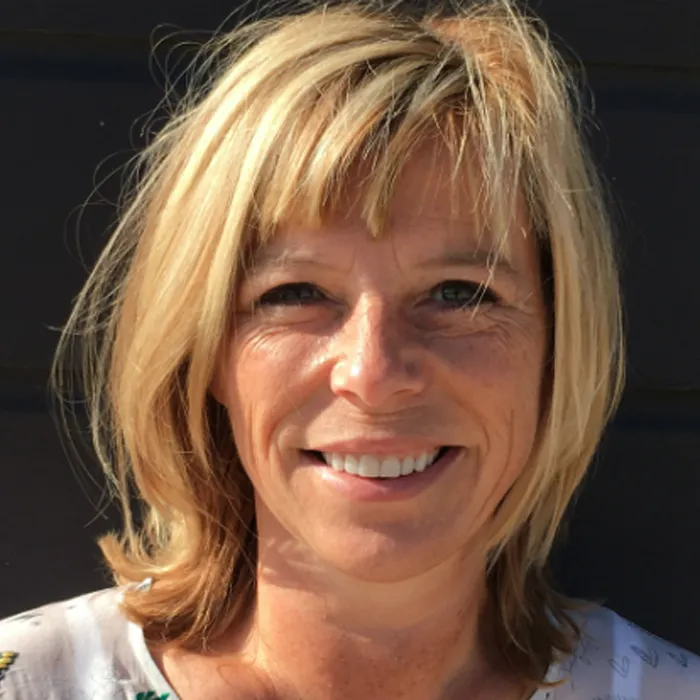
…who in 2010 played a leading role in launching a whole new pioneering approach to the mobile market. Seeing customers being confused by and lacking trust in the current leaders, Telenet introduced an entirely contract-free and so tie-in-free offer for all, based on just two price points rather than the more usual 25 or so. They were called King and Kong. Share went from the 2.5% achieved 2 years after original market entry to 18% in just 6 months, when the established competitors all decided they had to copy. Telenet got to 23% share by 2013 and applied the approach back to broadband, taking away contracts and naming the two plans Whop and Whoppa in a similarly pioneering spirit. Sigrid was most recently Chief Customer Officer at Virgin Media O2.

Judith Hackitt
…who pioneered through leading the review into building safety that followed the Grenfell Tower fire disaster. The approach she took was big picture, looking outside-in, not in this case requiring insight to understand the problem to solve for the people the industry is there to serve. That part is obvious – people expect to be safe in their homes. But being highly insightful in seeing that a new and better response was required from the collection of organisations and bodies and individuals involved, and that this would be achieved by seeing them together, as a system. What is boldly pioneering compared with what we commonly do, is avoiding the simple fix. There was huge political pressure on Judith to ban building cladding. But she knew that would not solve the problem. It would be a temporary measure, a short term, inside-out response satisfying the organisations involved but not solving the problem for the people buildings are for. The inconvenient truth was that the culture of building needed to change, and the system of working followed by all involved needed to change. It had to become motivated by fitness for purpose, including safety, and not the lowest short-term cost. This is a familiar battleground for customer-led thinking, and with the pain of the fire creating the will for serious change, she eventually won out. Her recommendations have been described as radical and demanding, and they have been implemented, and continue to be overseen, across the construction industry, clients, investors and government. For Judith, this systems approach was not new – she was originally a Chemical Engineer and this is how they see their world, and then she Chaired the Health and Safety Executive for a number of years, with a systems approach being crucial whenever there are issues with making work safer.

Neil Patel
…who has, over many years of exploration and study, found new and better ways to take care of premature and sick babies. A field that is naturally focused first on keeping fragile newborns alive has always been technology-led, at least in the west. Learning from countries where the tech is not available suggested benefits in parents being much more centrally involved, an idea that superficially looks like introducing untrained carers into the middle of a high-risk situation. But Neil found that being led by parents, the customers they could speak to, also led to much better outcomes for immediate health and growth, and in creating better long term conditions for the family by reducing trauma and tension in their baby’s earliest days. Remarkably, even in this medical field, the customer-led principles originating in businesses translate well. The team has gone on to take the principles further, introducing regular listening sessions for (originally nervous) staff teams with parents, and innovating in line with ideas parents suggested such as overnight video updates from nurses to parents on their baby’s wellbeing.
Vernon Everitt
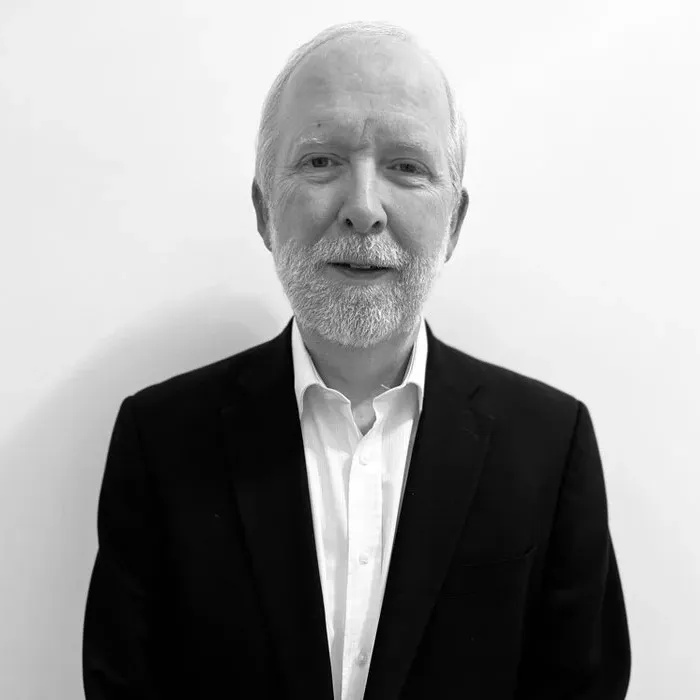
…one of the leaders of Transport for London over the last 14 years as they went on a classic customer pioneering journey against a competitor in the shape of the car. They have made the whole of London’s public transport and active travel network more attractive to Londoners by making it feel safe and attractive, easier to use and to navigate, responsive to issues and easy to pay for in ways that are trusted. He also pioneered in the sharing of open data with developers, leading to a host of successful apps such as Citymapper that make the transport system yet more user-friendly. Building on TfL's success, Vernon is now working with Andy Burnham to integrate transport in Greater Manchester too.
Justine Roberts
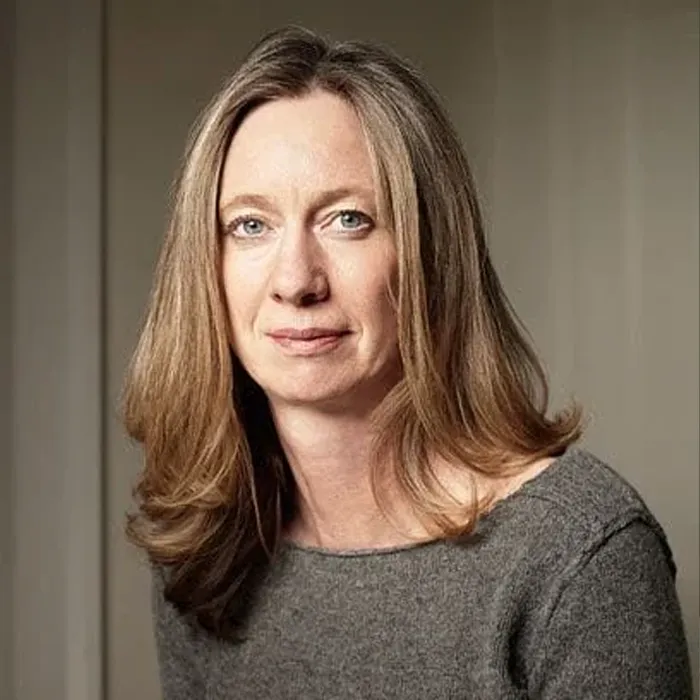
…who set up Mumsnet in 2000 in response to an extremely frustrating holiday as a parent and seeing an unmet need for better sharing of honest advice. She created the community literally from nothing and then grew it after the internet bubble burst with almost no resources. But as a result she learned a great deal about how to make the idea for real – for example making it work genuinely well for all involved even when emotions run high. It took off to the extent it started influencing general elections, but perhaps the biggest challenge and achievement has been making it sustainable commercially without compromising on the customer-led ethos that keeps people happily using and trusting the brand, an outcome requiring yet more innovation.

Ashley Schofield
…CMO then CEO at giffgaff, a business conceived 12 years ago with the aim of seeing whether a mobile network inspired by social media and digital collaboration could create value in new and better ways for a segment of the market. The approach has been very human, with a different set of beliefs about customers creating a sense of ownership born out of mutuality – members helping other members and so saving on the costs of service, their commitment to the company leading to members finding new ones by word of mouth, saving yet more. The mutual principles are central to the way the business is run with member consultation on even the trickiest issues such as price rises. They underpin what is still a successful growth story and at the end of 2021 giffgaff had 3.7m customers and revenue of over £500m.
Read his Pioneer interview here
Paul Stephenson
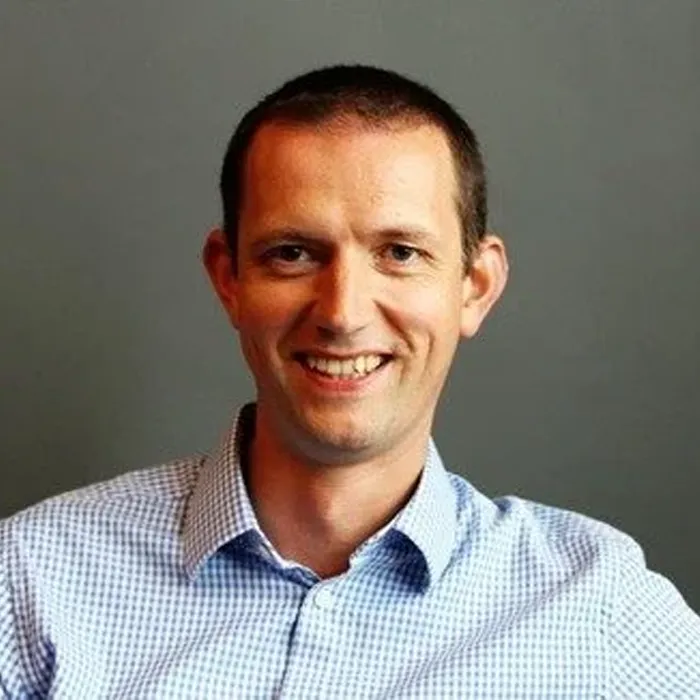
…who has pioneered not only with human customers but also with animals as consumers. He worked at Mars for 20 years, leading innovation in pet care internationally and on chocolate globally. Examples include the creation of a whole new category of product that helps dogs have better smelling breath and healthier mouths. This is Dentastix, and it was deep care of the pets wellbeing that led to the identification of the problem, then exploration of the cause with dogs, and the creation of a solution that would delight both the pet and their owner. Details matter – for Dentastix to perform its health enhancement role a new daily routine needs to be established. Using packaging cues (they were always sold in sevens) and making the chew ultra-tasty for the dog resulted in a new daily connection moment between pets and their owners. Serious success followed, for Mars with a business worth several hundred million dollars within 10 years, and more broadly with the creation of a new category, the sign of a genuine piece of pioneering that others copy.
In Chocolate one of the challenges tackled was to take the category into India and Africa, which, despite producing 70% of the world’s cocoa, consumes only a tiny proportion of the end product. Part of the challenge is not with consumers but with the retail chain to reach them, with high temperatures and scarce refrigeration making it impossible to get good quality chocolate to the people who might enjoy it. The team developed a chocolate with a higher melting point plus a very low-cost refrigerator that would maintain chocolate at around 20°C, and thought they’d cracked it. But as it started to be rolled out, there were unexpected quality issues of melted product. It took some outside-in exploration to serendipitously uncover what had gone wrong. By happening to be at a small shop when the owner closed it for the day, a Mars team member saw them switch all the power off as they left, to save on their bills. In so doing, they switched off the Mars fridge and the temperature soared overnight. It was enough to guide the adjustment of the design so it could maintain a low enough temperature for long enough when not connected to power. Mars today has a thriving portfolio of chocolate brands in India, and is expanding its footprint in Africa.
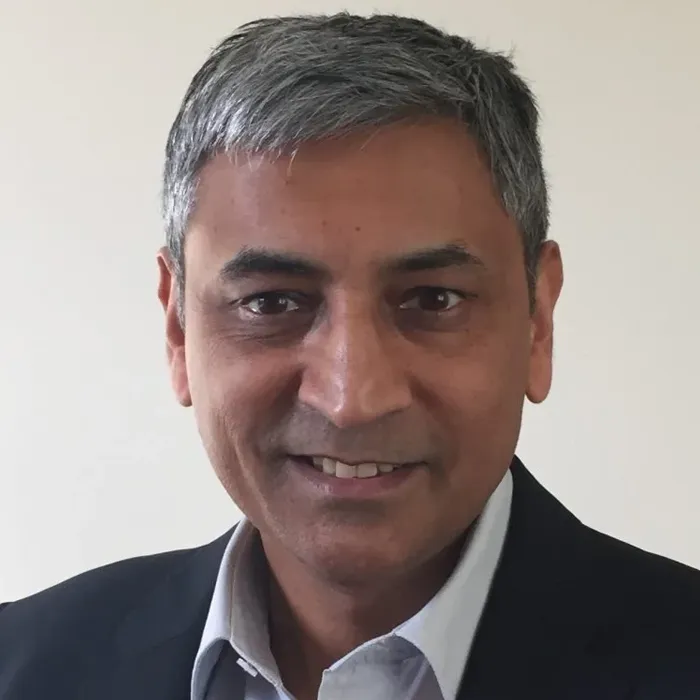
Ashok Gupta
…who has led policy reviews using systems thinking to get whole systems to operate in ways that are customer-led, producing good results for the people they serve. One example was a review on behalf of government into the defined benefit pension system, showing for example how they could often have a negative effect on people in other parts of the wider pension and economic system. As Chair of Financial Systems Thinking Innovation Centre (Finstic), he encourages this approach to thinking. He is also a non-exec, working only with customer orientated organisations, for example being Chair at eValue, a fast-growing digital financial advice and planning company.
Read his Pioneer interview here
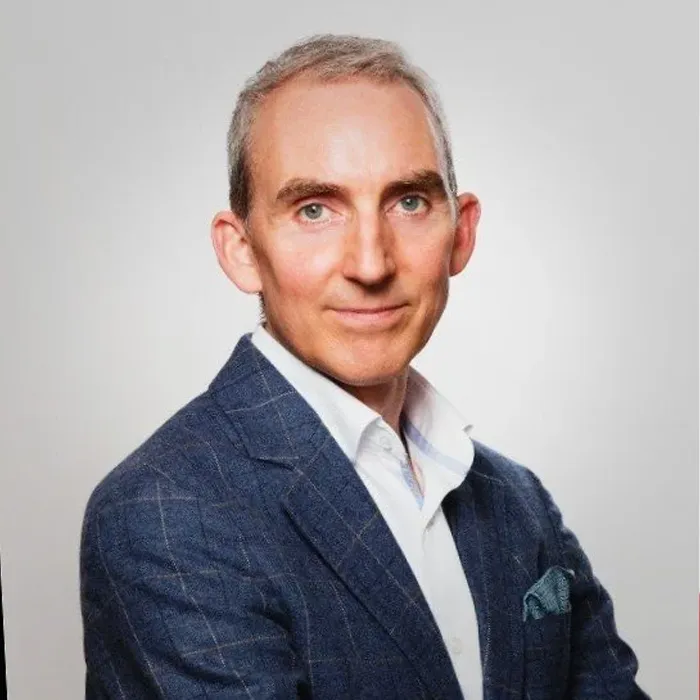
Joe Ferry
...who was in charge of design at Virgin Atlantic as the pioneering brand first became established as an iconoclastic antidote to BA and to the conventional flag carrier airlines assumptions of what a flight entailed. Creating joy through unique inflight entertainment and quirky onboard products including adding a rubber duck to the washbag. More substantially they innovated, reinventing business class as Upper Class, challenging every preconception of the flying customer journey to create seamless airport experiences in their ‘Clubhouses’ and onboard interiors complete with a bar, also creating a seat that converted into a truly flat bed, all with direct aisle access which was assumed to be an impossible challenge.
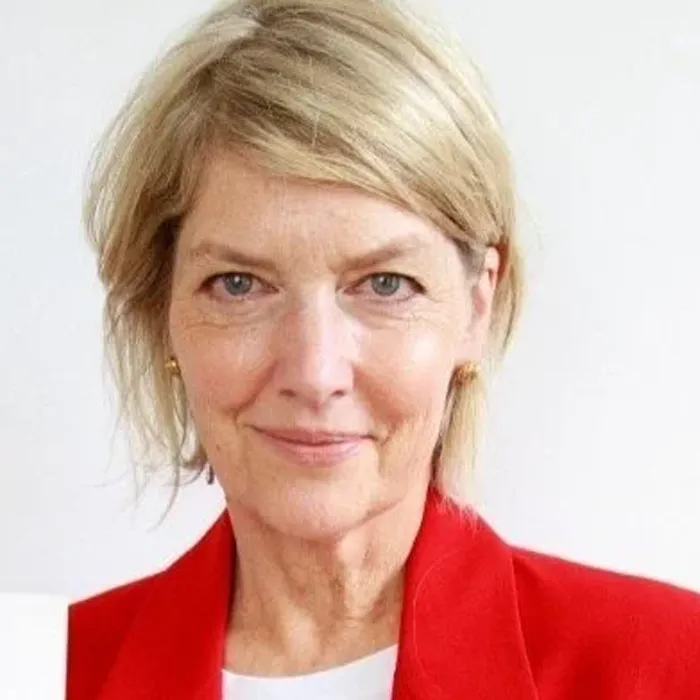
Clare Richmond
Who took on the challenge to reinvigorate a declining local high street, without any budget, resource, experience or even permission.
She initially thought the challenge was for better marketing, but it became clear it was more about mindset. She started creating a team from the local community’s independent businesses, encouraging them to work on what they could achieve together despite sophisticated competition and limited resources. It turned out those limitations were an inspiration. They re-thought the idea of high street value revealing a new opportunity - to meet the needs of the community rather than simply the customer. They got into action, and an open evening welcoming locals into shops for a drink and a chat worked brilliantly, building confidence and capacity within the whole community to do more, and in the end to better meet their own needs. The results transformed Clare’s view on leadership, seeing the advantages of having less but with a strongly felt reason to do something leading to collaboration and innovation.
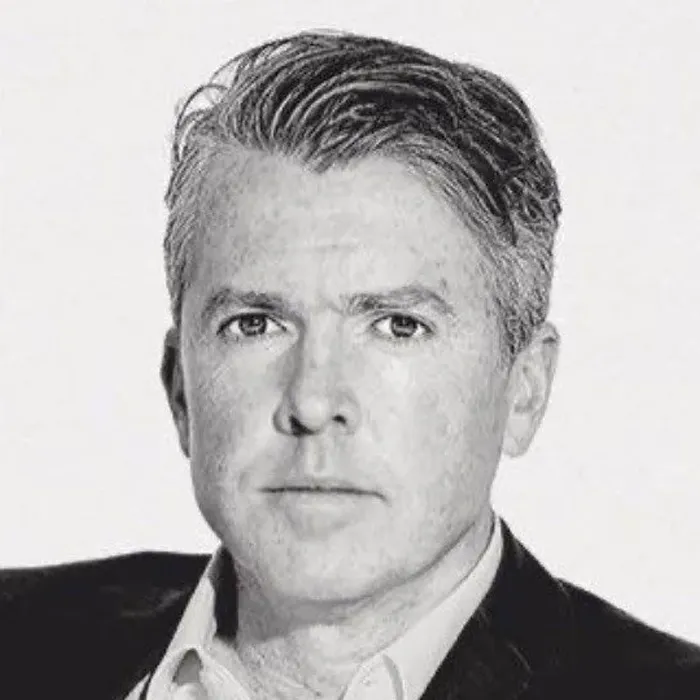
Peter Duffy
…Chief Commercial Officer and a crucial member of the easyJet leadership team from 2010 to 2017, pioneering for customers in the discount airline sector by dealing with huge pain points like unallocated seating and adding appeal through live flight trackers and premium food and beverage, all breaking industry norms. He moved to Just Eat as CMO then CEO, learning more about the role of data-led customer centricity. He is now Moneysupermarket Group CEO, on a similar journey to put digital and data more effectively at the heart of a modernised customer-led business..

Steven Roberts
…who created Digital Eagles by accident, having bought 10,000 i-Pads that it turned out few colleagues wanted to use. He found a way through, with a handful of young colleagues helping people across branches learn to enjoy and find benefits in digital tech. They then did something similar for customers, who they realised often had the same issues and opportunities. Next, he saw potential in un-needed branch space and created Eagle Labs, equipped with digital tech, made welcoming for small businesses and for the community including kids. The spirit is generous and open, with Barclays relationships emerging naturally. These are now being seen as an opportunity to reinvent the place of the bank in the community, back to the original centuries-old coffee shop heritage where bankers were facilitators for the trade being agreed in a communal setting.
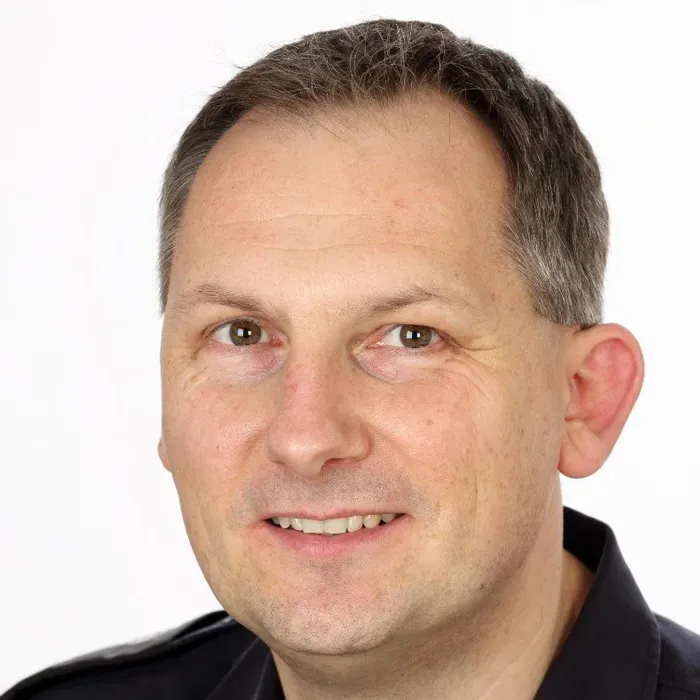
David Wales
… who pioneered in the Fire and Rescue Service, latterly as its first ever Customer Experience Manager. The journey started with a research project looking at ‘why the public don’t do as they’re told’ in a fire-related emergency. The results showed how disconnected the Fire Service was from the experience of the people it served. Far from needing to educate the public to change, its main finding was that the Service needed to reflect on its own purpose beyond compliance and statutory requirements. It thought in a scientific and technical way, but people respond to an emergency in strongly emotional ways which reflect the huge personal impact of their experience. David learned from CX professionals and developed a more human and consequence-focused approach. Traditionally, UK firefighters have focussed on rescuing people and saving property with limited attention given to the longer term impact of their interventions. This is further compounded by the fragmented and complex nature of the various services involved in the end to end journey.
Using human centred design principles, David could see new opportunities to improve. For example, treating burns injuries effectively was not originally part of what firefighters prioritised – they were there to rescue people and save property. But burns need particular treatment, and applying cool water, fast, is the first step. However, in practice it rarely happened as each agency sought to quickly convey the survivor through the chain of care. Despite this, survivors typically arrive at a specialist burns facility long after the window of opportunity for the benefits of early cooling has passed. David also recognised the mental effects of trauma and the need to help people deal constructively with what happened to them. This whole joined-up, human approach was new, but results are encouraging. There is much more to do, and David continues to pioneer in the international emergency and disaster sector.

Gillian Drakeford
…who has pioneered across a career at IKEA. She joined in the UK in the earliest days of the business, establishing the strange new model of well designed, well priced, flat-pack furniture with a British audience. Her first big piece of pioneering leadership came when she led the business into China. She had to learn how to work outside-in, really understanding how Chinese people lived and ways that IKEA’s offer and strengths could be made relevant to them. This involved surmounting big challenges including scale, with more than 25,000 people coming to a single store on a Saturday, with pricing, having to reduce costs and adjust the model to allow a sofa to be sold for one tenth the price it was originally, and adjusting the range so customers could buy chop sticks and rice bowls. It worked extremely well and she was asked to come back to the UK which in 2013 had run into trouble. The business had failed to respond to a multichannel retail world, and share was falling while customer complaints rose fast. The business had lost belief that IKEA could succeed in the UK, become too focused on costs, was divided by unhelpful silos, with no connection to a true customer view. Her pioneering started with restating why the business existed, leading to the line ‘The Wonderful Everyday’, and then committed customer listening, visiting people’s homes, understanding their needs, their hopes and their frustrations. The team made big organisational shifts in response, from store sales targets and online being in competition to defining online and store business by market areas, adding the two together, incentivising cross-channel exploration, buying and dealing with returns. The huge 60% of online orders that failed were diagnosed as the efficiency-led KPIs in the supply chain, rewarding full batches in containers when they were ready rather than responding to customer need at higher cost – but lower overall cost when seeing the refunds and rework needed, and higher return from happier buyers. Innovation included buying Task Rabbit and offering it as a service to customers preferring to spend on avoiding building things themselves, and new small store formats in city centres to make a real world experience more accessible. It all led to profitability growth shifting from 0.2% to 10% for 5 consecutive years and a growth in share from 6% to 8.3%.

Tracy Abraham
…who has pioneered in two spells at Channel 4, where the nature of her version was to have a very clear understanding of their customer and then challenge, provoke, make trouble and inspire change in ways that resonate. Her second stint involved overseeing the launch of Channel 4’s video-on-demand offer, 4OD, ahead of BBC and the iPlayer. It wasn’t as clear as it looks now – they had seen what Napster had done to music and wanted to find a positive way to pre-empt the issue. But would that be by putting content on other platforms or by creating their own? Customers can’t help you because they don’t know yet. So Channel 4 went with the fuller experience, one where they could grow value for their customers over time in clearer ways, and it worked very well indeed. She has also pioneered from the earliest days at Monzo, again building an offer and experience that would come to define a new market segment, helping the engineers turn their innate customer obsession into something with features and benefits customers would understand and enjoy.
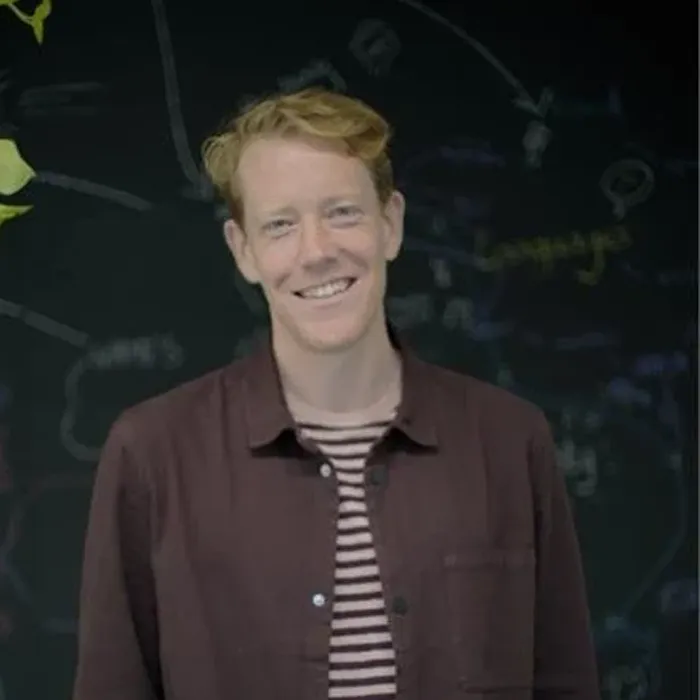
Ed Fidoe
…who has led the creation of two pioneering educational organisations, first with a school, School 21 which opened in 2012, based on an insight that it’s important to help young people find their voice, able to converse well verbally in any setting. This is a critical factor in evening up people’s life chances across socio-economic backgrounds. It led to the creation of a bigger enterprise, the aptly named Big Education Trust, looking to grow a wider range of similarly human practices in schools at greater scale.
Along the way, he had been thinking about universities and how frustrating the experience can be as well as how far away it often is from being useful to all who they are supposed to serve. In 2016 the law changed to allow unis to award degrees soon after being set up, not having to wait 7 years, and in 2017 he started to raise money for what become the London Interdisciplinary School. LIS is built from a core belief that the 21st-century leaders require a broad set of interdisciplinary approaches and methods to tackle the world’s most complex problems. The university takes a problems-first, interdisciplinary approach, grounded in rigorous methods, with real-world applications. It’s been a tough journey, one Ed has been leading since 2018 when the first faculty came together, opening to students in 2021 while steering through the latter stages of Covid. It’s now financially secure having avoided taking government money to keep the necessary degree of independence, and it’s already competing effectively against Russell Group universities.

Richard Sells
…who when Chief Innovation Officer at Electrolux led a move from a disparate portfolio of 55 brands to a few brands focused on what customers really valued – not just the engineering, but the way different people used the technology to make their lives easier. His customer innovation team brought structure and better connection to customers. They got people across the business going to customers’ homes across the world, getting involved in everyday activities from washing up to cooking dinner. They saw first-hand what they did and why, growing belief in what really mattered. They created relatable personas and clear roles for the few crucial brands, then shared widely and immersively to great ultimate effect for the business. The results were strong, adding to healthy growth achieved more cost-effectively than the previous engineering-led approach.

Sarah Gillard
…in Feb 2020 led the innovation team as Covid hit. Business 99% focused on shops, products and operations. Started thinking about what the country needed not what the business did, developed an activity platform and got online in three days exploring how to take skills and expertise from across the Partnership and share widely – from making a monkey out of an old jumper to gardening tips. Nursery advice service moved onto the platform because customers could no longer get help in stores and were desperate for it. In 5 months had grown a digital community of sharing, ran events (money going to good causes) and created sales although not the objective. Since then, led the work to redefine the purpose of the John Lewis Partnership.

Phil Popham
…. has climbed a number of mountains. He was a driving force in the creation of the Range Rover Evoque, a car that broke new ground in mixing luxury, off-road ability and styling and smaller size, and was pivotal in rescuing Jaguar Land Rover. Then he led the turnaround of Sunseeker as their CEO, understanding what luxury motor yacht owners valued and how a pretty small business needed to respond. And then he led Lotus Cars through another turnaround under new Chinese owners, understanding what the brand means and how it could be broadened and modernised to meet the needs of a new generation of enthusiastic drivers
Sharon Pickford
…has led the National Trust’s development of relationships with its members through serious growth by understanding the value provided by the Trust to different supporter types and making it easy to visit, experience, enjoy and pay for it in ways that are affordable. Through Covid the continuing loyalty and support of the membership base kept the Trust going and support is growing fast, with membership nearly back at an all-time peak at around 6 million people across the UK.
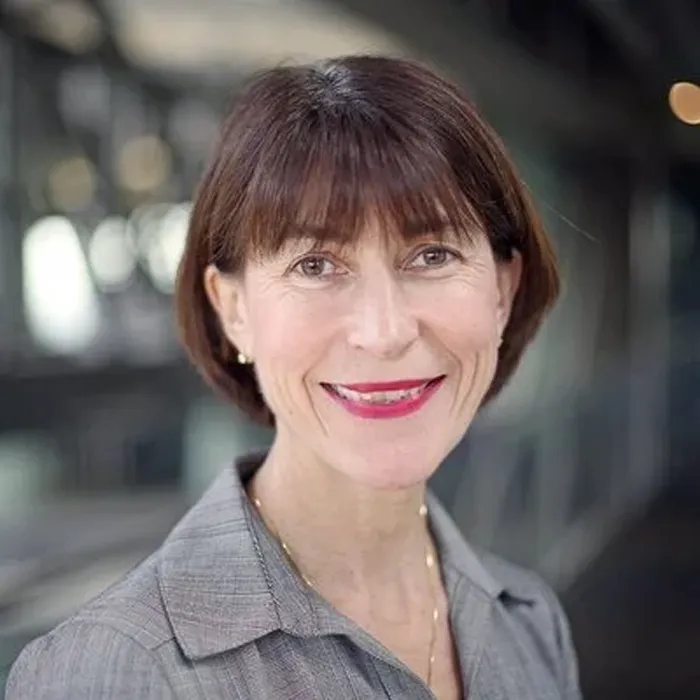
Jo Moran
…has steered the provision of M&S service in stores and across the increasing spread of other forms of contact through serious improvement. It’s been built on a core of what matters to customers – people who are friendly, knowledgeable and helpful – and getting clear on who is needed in what numbers and why, so rather than just cutting costs arbitrarily choices are made based on expectations, differentiation and value to all. Beyond stores, a fragmented and sprawling collection of customer contact and service arrangements was brought together around customers’ and the business’s jobs to be done, then brought up to date so it not just human but efficient too.
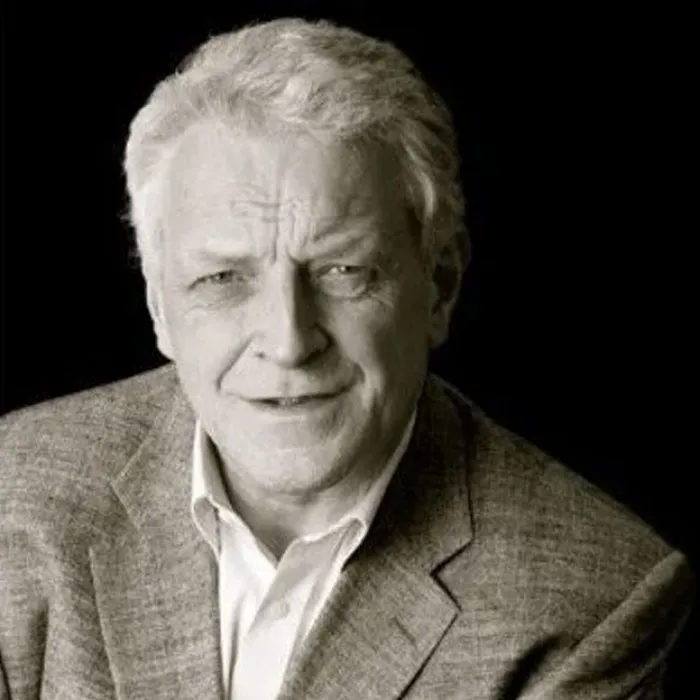
Chris Moss
…who has pioneered repeatedly and in high profile ways. The first big one was as Marketing Director at Virgin Atlantic from their very earliest days in 1985 through to 1993, building an iconic, much loved challenger airline brand from the unlikely origins of a record company, gathering scale, upsetting BA, finding ways to make the experience of flying exceptional while still being practical enough to get ideas off the ground. There was substance at the heart of it – creating ice cream moments mid-film, being first to instal seat-back TV and inventing Premium Economy. He did plenty else at Virgin with Richard Branson, working on their various stunts and record-breaking escapades. Next came Orange from the end of 1993 and this included coming up with the brand name, VERY different to the techy incumbents at Vodafone and Cellnet, and only allowed because, while being named after a colour was against the rules, being named after a fruit was not. Again, there was customer pioneering substance behind the attention-grabbing exterior – customer service used caller ID and answered the calls ‘welcome Mr Moss…’, shocking for many people. At the time (the mid 90’s) Vodafone and Cellnet (as was) charged £25.00 per month for line rental and all calls were extra. Orange charged the same £25.00 but included 60 mins talk time, encouraging people to talk more. When calling, Vodafone and Cellnet rounded up calls to the nearest minute. So if you just said ‘I’m at the train station...’ they charged you for 1 min, because of legacy billing issues in their original business. Orange charged by the second so you paid for what you said. As Chris says, you wouldn’t let the petrol station charge you to the nearest gallon… Most companies charged extra for voicemail. Orange realised voicemail generated more returned calls and greater trust, so included it for free. Al this meant Orange had more loyal customers, spending more on the service, churning churned less. Hence their sale (via Mannesmann and Vodafone) to France Telecom for more than double T-Mobile’s price at $47bn. The third big maverick move was after the auction to outsource directory enquiries, with Chris CEO for one of the bidders, a business called INFONXX. The number they were allocated was not to his liking, so he immediately bid a few million to get 118 118 which he knew was the one to have. It was willingly sold, and the moustachioed runners appeared as a memorable chapter of the noughties while the business took more than 50% of BT’s share. Again it was based on pioneering in the sector. They knew before the old 192 service closed down what the most popular numbers requested were and they realised if we they could more fully solve callers’ problems, saving them time and effort while making the calls longer, they would get happier and more valuable customers. National Rail enquiries was the number most requested, so by offering train times they rapidly became a one-stop shop. People called to find phone numbers, often so they could then make another call to get addresses and post codes. So 118 118 offered post codes and addresses and again it was a hit. Then there was the offer to directly connect you on that call, from an insight that most people were calling from a mobile, maybe driving, so this was a simple hands free option while generating higher revenue too,

David Magliano
…whose customer pioneering includes a central part in the launch of Go, the BA-owned discount airline, becoming part of easyJet and inspiring some of their later work too. He helped London and the UK win the 2012 Olympics for London with a customer-led story. And he has steered The Guardian towards generating sustainable customer revenue in a way that’s consistent with their values, earning their support. This was arrived at over time and was far from obvious, needing experimentation, good customer insight, teamwork and a preparedness for a serious change in direction.

Pernille Sahl Taylor
…part of the leadership team at Handelsbanken in the UK and so central to a remarkable, very unusual way of running and bank (or any business). They give as much control as they can to people working in their customer-facing branches, indeed they encourage and expect people across the bank to make decisions in their area of expertise. The branch teams make decisions about who to lend to and what to charge, working to do the right thing for customers and the prudent thing for the bank and free to work out what that means, responsible for the relationship in the long term. They don’t have sales or product targets and the business has one overall financial outcome they aim for – higher profitability than the average of peer competitors, something that can go up and down year to year, not just up, and something achieved by having more satisfied customers and lower costs than competitors. Simple. But very unusual.

Owain Service
…who brought behavioural science into government, becoming central to what became the Nudge Unit, influencing the way politicians thought about the behavioural changes that would be in people’s own interests as well as the state’s. Paying tax on time, keeping medical appointments and insulating homes are three strong examples and there were many more that followed. Owain is now applying it more widely in public and private sectors through CogCo where he is CEO.
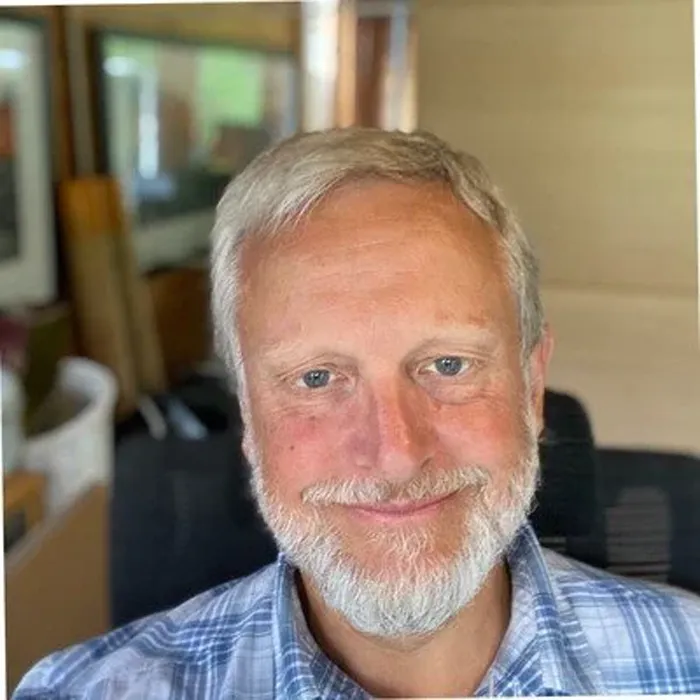
Fergus Cusden
…who pioneered at National Air Traffic Services for nigh on 30 years including in the role of Safety Director when, alongside a strong CEO and senior team, he created a breakthrough level of safety in an organisation that was already sector-leading. It was built on creating a culture that made it safe for people in any position, particularly in the front line, to proactively say they made a mistake that needed to be learned from, and the learning that followed took them to exceptional performance, something air travellers will be unaware of but eternally grateful for.
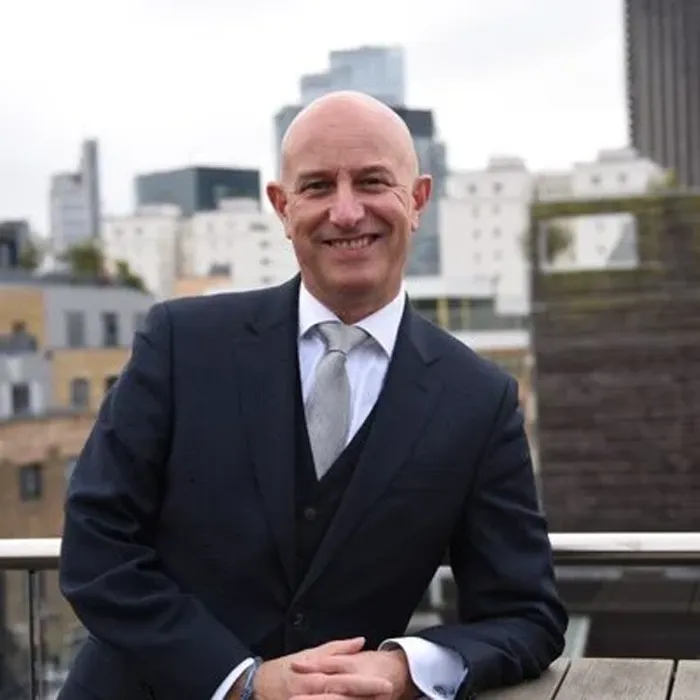
Richard Gomersall
…who was CEO of GreenAcres, a cemeteries and burials business, and MD of Co-op Funeralcare. An insurmountable challenge to be a customer pioneer? Of the four types of customer – family, funeral directors, the celebrant and the deceased – arguably the most important is the last, who can’t give instructions. When he got involved in Greenacres it was a business losing money with a disenfranchised team owned by VCs wanting to hit targets. How to become better for customers while making a commercial business model and doing it all under time pressure? One challenge is dealing with all the taboos, but listening to customers and colleagues showed that behind apparent happiness it all went OK there were unmet needs, inhibitions preventing people saying honestly what they wanted. Because they were concentrating on not getting it wrong, they never thought about what it would take to get it right. From lots more listening and some creative thought came new and better ways… more competitive pricing, comprehensive aftercare, options communicated early with ways to help with payment. Turnover increased fivefold, profitability returned, services rose from 400 to nearly 3,000 a year and with 100% Trust Pilot five-star ratings – resurrection as a true customer pioneer.

Mark Aitchison
…who runs Frontier Agriculture, a business he founded in 2005, whose customers are predominantly farmers. Originally an agronomist, advising farmers how to grow, learning how they think, he then joined Cargill. They’re a trading not a customer business, but a few years in, Mark saw an opportunity to make their Agri Division number 1 by focusing on customers and service, and by being bold, going out on his own with their backing. After a good first few years, it became the platform to buy ABF’s grain business – great on the ground, not well managed – merging Allied Grain with Cargill Grain and creating Frontier. Over time, new services have been developed, especially in digital and analytics, but what matters most is being seen as expert, professional and customer focussed – you want farmers to say you’re not the cheapest but you are the best at what you do for them. It’s now a service business whose customers are 10,000 farmers and 300 grain buyers, and the culture is crucial. The best service comes from good people given great training and systems, who care about the company they work for and the service they provide. Lorries are symbolic – they are clean and the drivers are helpful and proud, acting as diplomats, driving carefully, efficiently and safely. When farmers talk about what they appreciate, it goes well beyond financials. Innovation has been continual, with forward pricing provided to farmers every day and with support to help them steer decisions well through ups and downs. It can be tough – there are times when the data has bad news on crop quality for example, but it’s managed with good, prompt communication and constantly improving data as a basis to work from, always aiming to help farmers succeed, on their side. The latest initiative is a new challenger bank for UK agriculture, Oxbury, set up in 2020 building on authentic relationships with farmers and becoming the fastest new business to reach breakeven in ABF’s history.
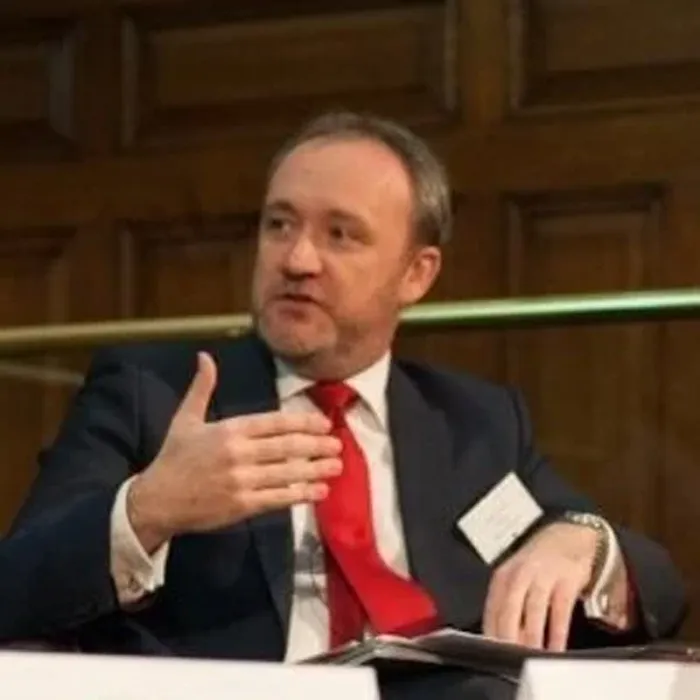
Richard Gillies
…. who pioneered the way sustainability is tackled in business by leading the creation and deployment M&S’s Plan A programme for its first six years. He learned how to make business cases that sceptical colleagues could buy into, how to innovate and create conditions for colleagues and suppliers to do the same, achieving breakthroughs in performance that mean sustainable solutions are genuine alternatives to unsustainable business-as-usual, and how to engage customers in ways that they appreciate and value as well as what to avoid.
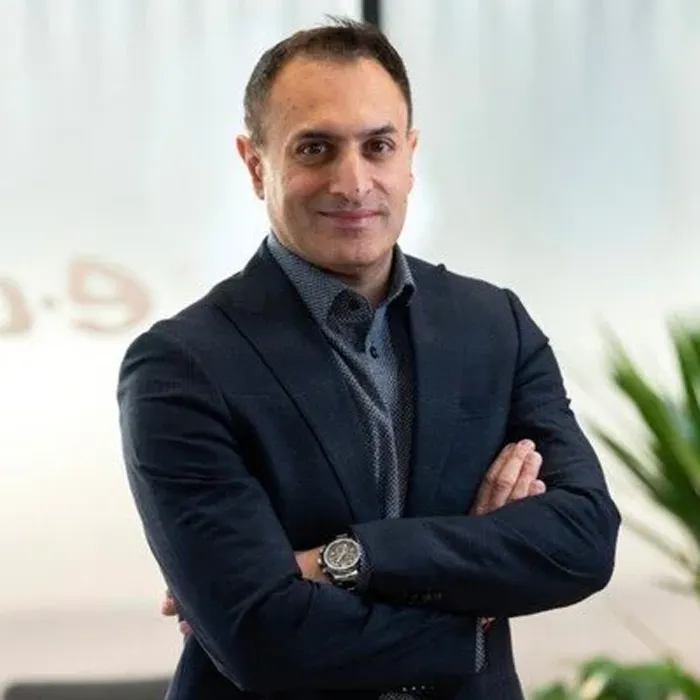
Vijay Tank
…who combined a natural entrepreneurialism with a finance and commercial career route to lead the re-set of E.On in the UK from late 2011. The CEO at the time came out of the German trading business and into a hail of criticism in the UK – price increases and fat cats. He wanted to start again. Vijay had to make a difference, fast, and with no consultants involved. The first ingredient was listening to customers and colleagues and long lists of heartfelt frustrations were the result. The second was creating a customer board comprising people who had led bold, customer-led action before – Allan Leighton, Justine Roberts, one of Tony Blair’s colleague’s Paddy Tipping and Sahar Hashemi the founder of Coffee Republic. They were asked to promote and champion customers at Board level and their remuneration went to charities of their choice. The team worked at pace, making decisions NOT based on NPV, IRR or ROI but on whether they made things simpler, fairer and more transparent for customers, while still being commercially wired to decisions weren’t reckless. They worked for six months and had some dark moments, looking for a silver bullet ‘to make customers love us’. Justine provided a breakthrough – she kept saying she had no time and just wanted a simple bill on the best tariff. They kept ignoring it assuming it would be financial suicide, but then the head of propositions expressed it as ‘the best tariff for you’ and recognised people just wanted a fair deal, not ripped off – ‘you’re paying this and you could save this if you switched to that’ so transparent. Pricing had been simplified – it had been over-optimised, reflecting too many factors and now it became the same everywhere, gaining in some regions, losing in others, but in the middle of the market with the benefit of being fair, clear and trusted. It was supported with a massive TV campaign and went across all E.On agents with even the Sun writing that Reset was the real deal. NPS went from 5th to 1st in three years. By 2013 the business was leading the sector. But then the focus moved on and arguably away from the customer, prompted by a new Regulatory regime introducing new policies, new products and an enforcement culture driving compliance through issuing heavy fines. This added complexity to the products and the organisation as they became designed to fit with these new government policies. It led to 6 years of focus on compliance, complexity and, ironically, not the customer.

Anabel Hoult
…Anabel Hoult, has been the CEO at Which? for the last four years. Which? is the UK’s consumer champion and as an organisation is not for profit and all for protecting consumers, but until its current chapter it relied on a business model that wasn't entirely in tune with the organisation’s values. Anabel and her team have returned to a purpose they believe in, making life simpler, fairer and safer for all UK consumers, reinventing the membership proposition and business model so it is in line with these values, while still being attractive to subscribers so the organisation can grow healthily too. Anabel has also been part of the Carphone Warehouse customer pioneer story for 10 years running the Services Division including Geek Squad.
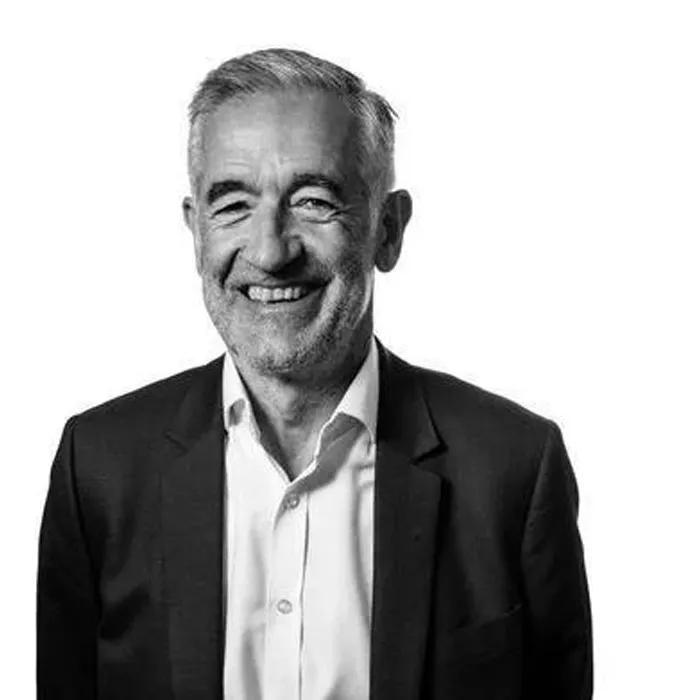
Ian Filby
…who as CEO at DFS led some serious customer pioneering in a sector known more for pushing sales and dodgy deals. DFS is in fact one of Europe’s largest manufacturers of sofas not just a retailer, but when Ian arrived in 2010 the business needed reinvention to become relevant to the future, and to soften the brand, making it loved not just known about. The big customer pioneering switch was to focus on women, the home and the way the outcome will look and feel, not men and the deal. This was backed by insight – a high percentage of decision-making was led by women, whatever was claimed by men. This led to a wholesale change in the people DFS employed, towards women, a change in style of advertising, the growth of partnerships with brands like French Connection, Country Living, House Beautiful and then the acquisition of Sofa Workshop, Dwell and Sofology. Ian is currently Chair of Pinewood Technologies plc, a spin off from Pendragon which was recently acquired by Lithia Motors.
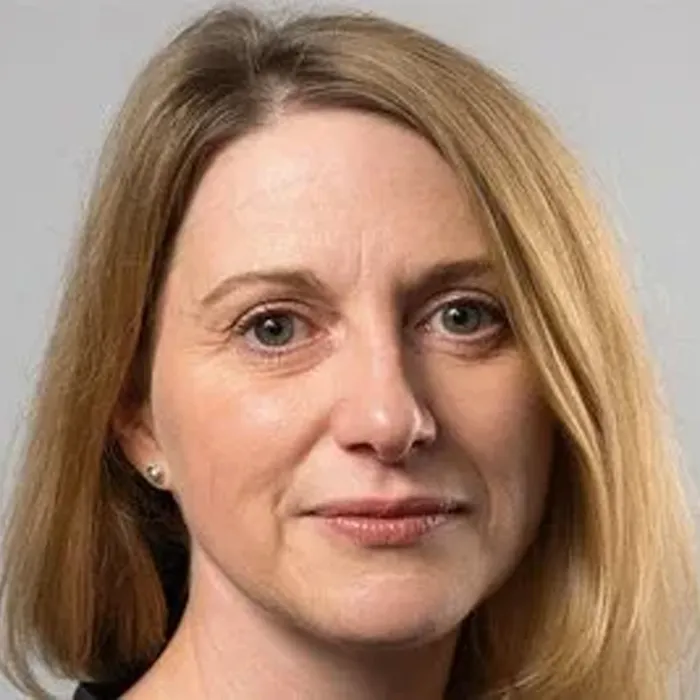
Lisa Wood
…. who was a central part of the leadership team reinventing first direct for a new era of digital banking and a new generation of customers, and then central to the establishment of the UK’s first app-based bank, Atom Bank, simple, straightforward and on the customer’s side, with Trustpilot ratings of 4.7

Nick Cross
….who was at the heart of the Selfridges turnaround as CMO working alongside the irrepressible Vittorio Radice. They took what had become a dowdy Grace Brothers old fashioned department store and created the wondrous House of Brands, showcasing each in the best way possible and wrapping them in a house that made a shopping trip into more of a day out. With budgets tight, the bold use of windows, collaborations with young artists and designers, huge experiential promotions, and the iconic yellow bag put the business back on the map in a way that’s lasted well.
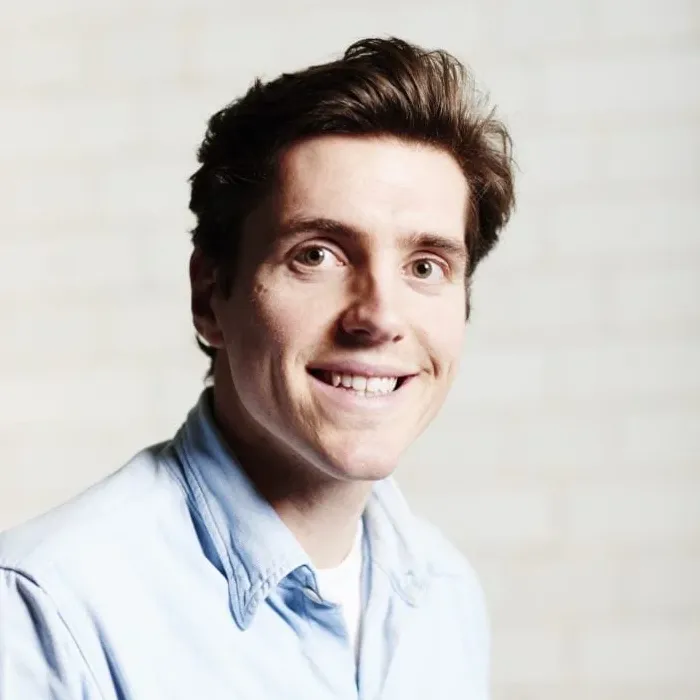
Jasper Joyce
…. He has been central to the creation of The London Interdisciplinary School. This is not just the same kind of university in a new place – it’s pioneering in taking a significantly different approach. It offers broad-cross-discipline learning not narrow specialisms. It has faculty who are great at teaching not research drawn from teaching professionals AND a broader base of people with real-world knowledge and experience. It aims to better prepare students for the modern workplace and offers internships every academic year. It is fundamentally inclusive, uses technology centrally and values learning ahead of just passing exams.
Mark Evans
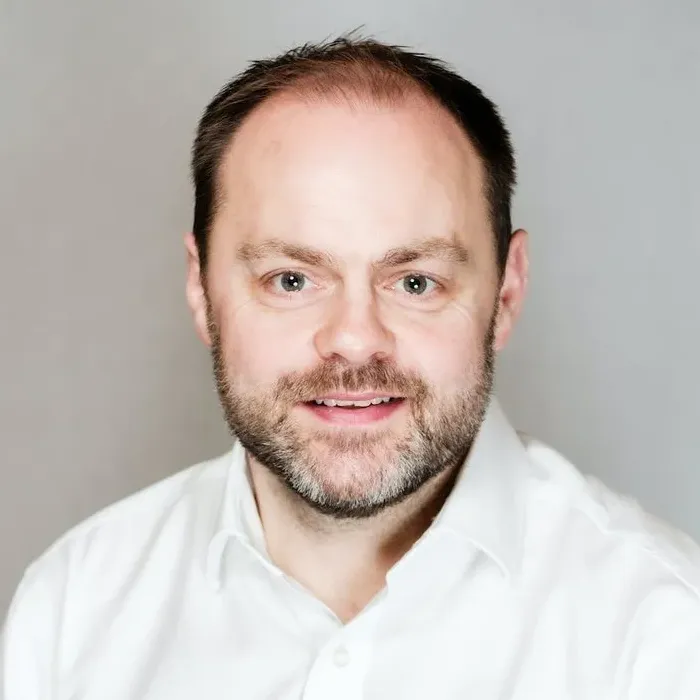
…has been part of the team leading the Direct Line brand though a wonderful customer-led reinvention around an obvious-sounding but bold insight – the value of insurance should be less about what you pay for it in the first place and more about the support and help you get when you need to make a claim. So Direct Line has majored on providing a fantastic claims service and selling this idea at the heart of their proposition. Turned out a big segment of customers valued this highly, were less price sensitive because they saw added value, and turned out to be lower risk than average too, so a real win for the business.
David Alexander
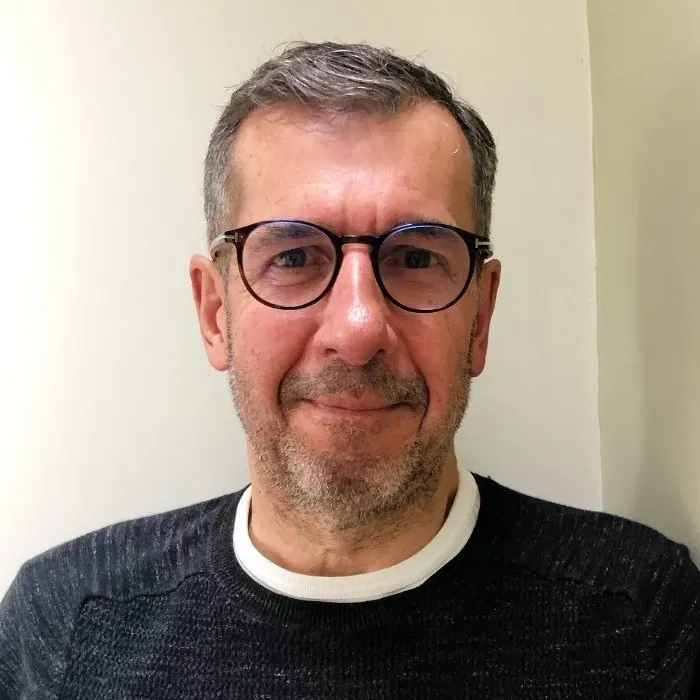
… who at Centrica established Local Heroes (think Uber meets plumber), an innovative service using independent tradespeople under the British Gas brand to help customers effectively, quickly, affordably and backed by a British Gas guarantee. This was a challenge on many levels – externally growing a base of customers and a base of tradespeople in a way where supply, demand, quality, affordability and attractiveness all stayed in balance. And internally, reassuring colleagues that the perennial enemy to British Gas-employed fitters could safely become part of the offer to customers, enhancing their service, the brand’s reputation, generating income and opportunities for customers to buy other services too.
Ben Moore
…. is at vCreate, a business he founded to provide conventional video services but got contacted by another of our Mountaineers, Dr Neil Patel, to ask whether he could help his Neonatal team create videos of the babies they were looking after and updates from the staff to share with parents and families who had to be distant at a high of high anxiety and stress. It sounds easy but it is a very difficult challenge, not least because of rules around data sharing in such a sensitive field. It took lateral thinking and serious determination, but they got there, and then found new and better ways to meet broader needs to, for example with adults, videoing seizures when they happen which in the field of epilepsy allows a medic to diagnose a condition with information normally out of sight

Eleanor Ford
… who is pioneering at Zinc, an accelerator with a difference, focused first on solving society’s problems not just realising commercial value for investors and founders. They’ve been going since 2017 and Ellie’s been involved since 2019, having previously been at the Good Lab doing something with similarities, working with charities. She’s been the Academy Director for most of that time, helping the teams of innovators who are recruited by ‘mission’, each of which tackles one of the great unmet needs in the developed world, with an addressable market exceeding 100m people, with lots of unexploited opportunities to make a difference, in part through new technologies and new insights from research. She’s now Chief People Officer, working on the ways Zinc expands and stays relevant while staying true to its beliefs and ways of working.

Raoul Pinnell
.....who amongst other things has Chaired Bromley Healthcare, spun out of the NHS as a Community Interest Company in 2011. Despite the naysayers they demonstrated that it was possible, within a given NHS budget, to deliver high quality care (CQC) and high patient satisfaction (NHS Friends & Family scores) and improvements in teamworking and productivity. This produced financial surpluses that were used to make further investments in technology and process improvement.

Terry Corby

Lucy Stephens
… is Founder and Director of a school and an idea that is set up as a charity and a bold research project. It was inspired by seeing with fresh eyes how young people created strong foundations for adulthood. Play and a democratic approach are central. giving students a powerful sense of agency - the will and the ability to positively influence their own lives and the world around them means they really want to learn, and that motivation unlocks everything else. She wanted to establish a school model that did this AND that reached everyone, so no fees. And she wants to use the model to change the world, by getting it replicated and the ideas built on by others. This special place is the pioneering New School in Croydon, a determined experiment to demonstrate that a systemically different approach works better.
There is much still to do, but also much achieved already.

Seán Meehan
....who is Professor of Marketing and Change Management at IMD Business School, co-author of The Customer Copernicus and of award-winning research on ‘Druckerism’ and the ideal of being customer-led. He has guided the development of a customer-led mindset of many of the world’s most prominent companies and closer to home, working with a cross-disciplinary team, enabled IMD’s MBA students to continue face-to-face classes throughout the pandemic. This took a big and risky up-front investment, justified as the right thing to do and unusual – IMD was not only the only ranked school that attempted to do it, it did it successfully.

Chris Pitt
…who is currently steering first direct through a fundamental reinvention for a younger generation of customers, but whose previous role was as CMO for HSBC in the UK where he led the development of HSBC’s We Are Not An Island campaign that, from the start of 2019 took a bold view that at a time of Brexit momentum one way, an open and connected bank like HSBC has a view that we can celebrate togetherness, diversity and being part of something bigger than the limits of the piece of land we live on. This was pioneering stuff, speaking for a whole swathe of people who held a different view to the narrow majority, and somehow doing so with the blessing of one of the UK’s biggest and highest profile banks. The fact it’s still running now, beyond Chris’s tenure, shows the value that was created. Chris has also been part of the Tesco story, with a leading role in the early days of Tesco Bank, taking the idea of Every Little Helps into the very different surrounds of financial services
https://www.linkedin.com/in/chris-pitt-44094b35/?originalSubdomain=uk

Ian Plummer
…who has pioneered at Autotrader as Commercial Director since 2017, helping them grow and broaden their already leading position as a used car marketplace well beyond those bounds by being continually better for both trade and individual customers. It would be easy to become exploitative with the kind of marketplace dominance Autotrader enjoys, given the network effect of having the largest pools of buyers and sellers. But there’s a burning ambition to continually improve the offer. The used car price indicator is an example, showing a buyer whether the price a car’s being offered at is higher than average, fair, good, great or low. This only applies to cars sold by the trade and as you might imagine, it wasn’t immediately popular. But showing that lower prices that would be validated to give buyer confidence led to higher volumes of sales meant the bold move has been recognised as in both buyer and seller interests. Part of what makes this, and a great deal more, possible is the vast array of data collected and analysed to show where the market is going, given the reach and robustness. It’s supporting the move into selling new cars, using the easy and trusted experience in new ways, with the data guiding pricing and showing how behaviours are changing, for example around the growth in electric cars which are changing brand preferences dramatically. Clearly more to come on this particular journey.

Zia Zareem-Slade
… pioneered as Customer Experience Director at Fortnum & Mason where the challenge was to become relevant to more customers more often – a shift from ‘toffs and tourists’ to Londoners and the UK more generally as a special but accessible place to go. The mindset was ‘world’s oldest start-up’. Central to this were the products themselves – they had to be good enough to live up to their Royal Warrants, in part to make sure they were retained. Around them, a digital revolution ensued, at pace, while partnerships and pop-ups added rocket fuel in other ways – from Skating at Somerset House to a chapel built in the atrium with real weddings taking place. The pioneering reinvention worked, achieving the serious revenue and profit growth that made the brand and business sustainable again. Zia is now CEO at jewellery business Annoushka.
https://www.linkedin.com/in/ziazareemslade/?originalSubdomain=uk
Peter Pritchard
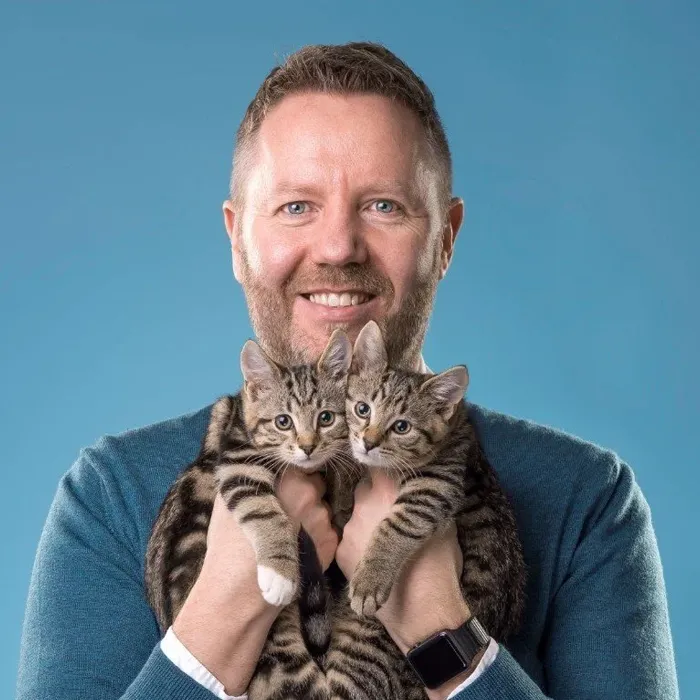
…who led a turnaround for Pets at Home over five years when the business had lost its way. As a pet store and a vet, Peter could see the business was running in two big silos despite having lots of shared customers, and fundamentals were wrong, in particular being too expensive. He describes having to ask not just what do we do, but why do we do it. At the time the mission was to be the world’s best pet shop and the world’s best vet but he felt this was inward looking. There are all sorts of places you can buy pet food and toys or go to a vet. The simple change became recognising pet owners’ greatest motivation is to look after their pet, who can’t speak, and Pets at Home should support them, becoming the best pet care business in the world – with the emphasis on care. They built an in-house team to understand their customers using all the data held on owners but also pets, spotting differences in food consumption by dog breed for example. And then action was taken across four areas that mattered most – making pet ownership easier, more convenient, something that felt fully supported and something rewarding over time through a give and take relationship. The attitude instilled was customer-led, starting by recognising that each customer could be worth £15,000 over the lifetime of a pet and using that long term view to instil a generous approach to creating value rather than chasing sales as had happened in the past.
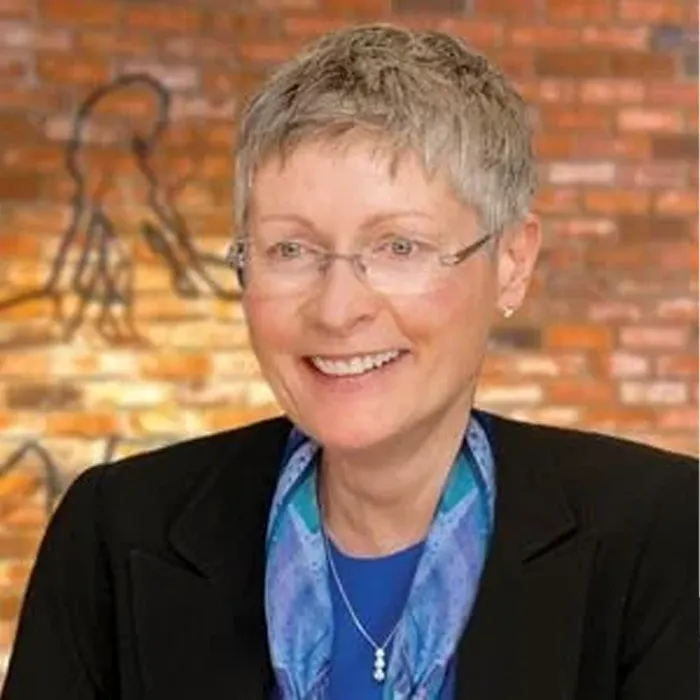
Jo Kenrick
…who has especially done some customer pioneering as a CMO in the home improvement sector, re-framing the decisions to buy as all about projects not products, recognising that you could grow share by becoming part of the project’s planning stage ahead of purchase, and that this was usually initiated by women not men, although the businesses were very male orientated. So she set about changing multiple aspects of the customer offer and experience to earn these different decisions from different people. She has also gained great pioneering experience as CEO of Start, a (then) Prince of Wales sustainability and business initiative, and in recent years as a NED for a range of customer pioneering organisations such as Coventry Building Society, Welsh Water and the BACS payments scheme.
https://www.linkedin.com/in/jo-kenrick-0392284/details/experience/

Natalie Ceeney
…had already worked hard on behalf of customers as the Financial Ombudsman CEO. As Chair of Cash Access UK, she is now leading a charge to provide cash access and basic banking services to communities across the UK, on behalf of nine major high street banking providers who provide funding. The work so far centres on shared Banking Hubs and deposit services, a pioneering new way of giving many customers what they still need around money, through a business model that makes it feasible and sustainable to provide. More is in the pipeline to meet a wider range of needs, while Banking Hubs themselves grow from single figures to several hundred over the next few years..
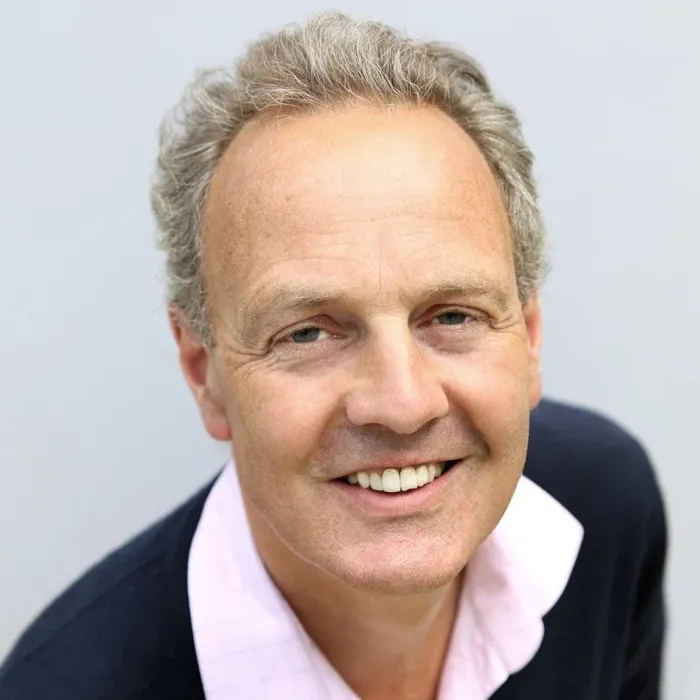
James Alexander
…who, having been inspired to think differently and boldly from his time as Strategy Director at innovative customer pioneering bank Egg, went on to become a co-founder of Zopa, the world’s first peer-to-peer lender. Zopa was born from technology making it possible to answer some very familiar customer problems in new and better ways. Customers want loans they can trust at the lowest possible rates, and they also want savings that are safe, accessible and that get the highest possible rates. The Zopa team saw that banks and building societies met these needs well enough, but now digital technology and social media-style thinking could provide a better way to match people wanting to save, to deposit cash, with people wanting to borrow. This required much less of the banking infrastructure and retained capital than before and so reduced costs, enabling savers to earn more and borrowers to borrow more cheaply. Risk was managed by grouping savers and lenders together, not matching one-to-one. James steered Zopa through the early stages of what became a very impressive decade of growth, and he also has views about how the sector Zopa led went on to lose its way, as inside-out growth ambitions out-muscled a more outside-in purposeful approach.
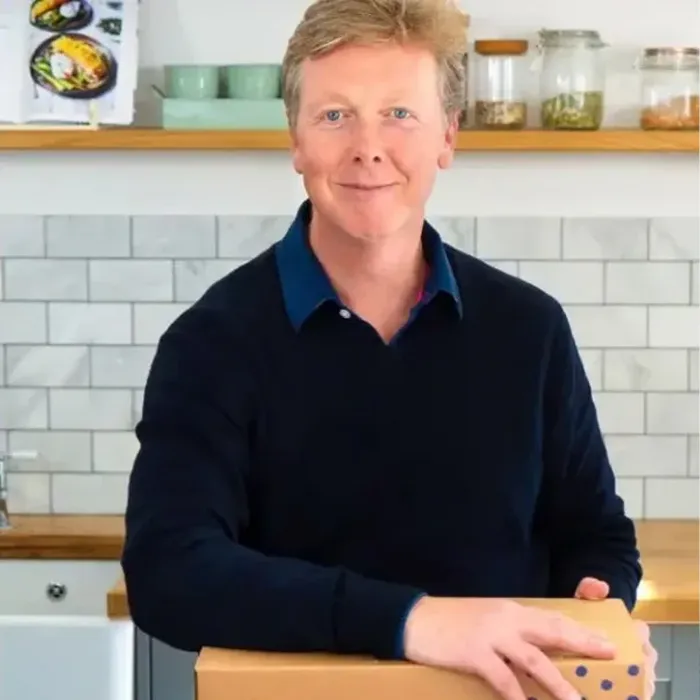
Tim Lee
…is at Mindful Chef, one of the pioneers of the digitally ordered meal kit sector with a brand that has a distinctive, purposeful and characterful approach. They help customers eat easily, enjoyably and healthily, with smart planning and customer-led thinking behind the scenes meaning, for example, that they didn’t have to turn any people away through the peak of the Covid crisis when the nation went online for food en masse.
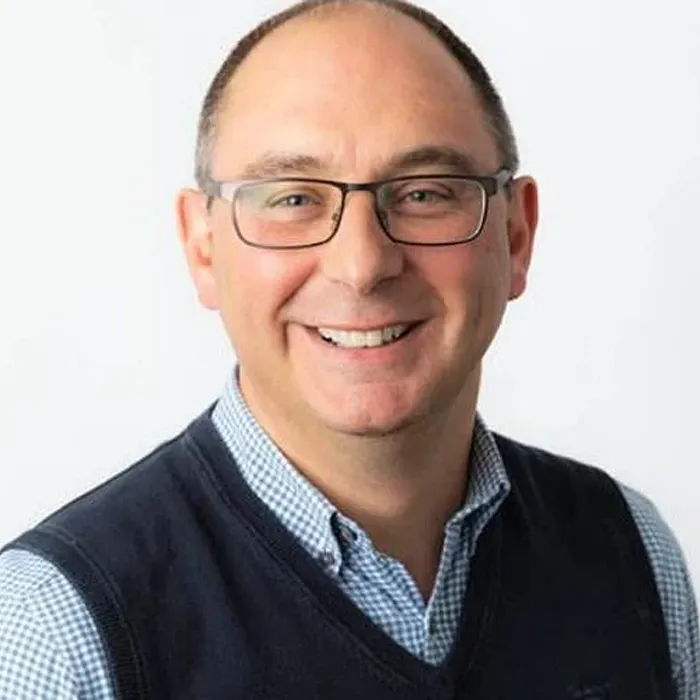
Steve Caunce
…who joined AO as Finance Director when turnover was £8m, losses were very significant, and the business was in danger of going out of business, needing to be fixed fast. Steve helped stop the financial chaos leading to losing so much money so fast, but together with John, the founder and CEO, were then dealt another blow as the source of half of their revenue at the time, selling appliances white labelled through Sainsbury’s, was taken away as they gave 6 months notice. John was great at ideas, Steve had learned he was great at execution. The story that followed saw them first create the Appliances Online brand to replace Sainsbury’s then working at continually getting better at what really mattered to customers – best prices, biggest range, fastest and most reliable delivery. They did this in lots of ways and not always systematic – eg learning by accident that as-new appliances that had been returned and so were in stock, then advertised with immediate availability, flew out of the door. So did more and realised 24 hr delivery guaranteed really mattered in white goods where it’s a disaster when something breaks. They then recognised that others could copy, so found a 4th thing to get best at – service & experience. The home delivery part of this was also learned partly by accident. If a delivery was going to be late, then they would send a van with only one product on board specifically to make sure the customer was not let down. One, to Cornwall, cost £600 and they had to stop it happening… They looked at 1,000 orders and found 25% were not delivered as promised. So then they found out all the reasons why and little-by-little chipped away at the issues. This was learning to do things properly – things that mattered that became competitive advantages. They had made an ad to shout about it but when the ad was finished and paid for, the business wasn’t good enough at doing it. So they had to stop with all the disappointment of postponing it until the business could make the promise true. Three months later they did and it ran. They also learned from near misses – they nearly went into the furniture business and had decided to buy one. But then they met the CEO at B&M Bargains who asked what they were doing – they only had 3-4% of the appliance market – it should be 15-20%. They changed their minds and focused on the core. Growth rocketed and the business would have failed if it had got into furniture. The IPO in 2014 valued the business at over £1bn and Steve subsequently became CEO, leaving in 2019 to start investing in early stage businesses.

Alessandra Bellini
…who was hired to Unilever Italy to launch a new deodorant under the brand name Dove. They used insight in a smart way to move female preference from deodorant and sweating is good (the market leading competitor) to antiperspirant (Dove) with a promise of sweat regulation not blocking, fuelled by insight that people did change their behaviour to hide sweat even though they said they weren’t bothered. Today Dove deodorant is market leader in Italy and still one of the fastest growing deodorants in the world. She also ran Ice Cream Brand Development in North America. They found a way to turnaround the commercial performance of the largest Ice Cream Brand in the USA, by giving the vanilla variant sold in big tubs (branded Walls in the UK) a more premium feel by leveraging its well-known little vanilla specks as the magic ingredient which was both sustainable and the evidence of its high quality and unmistakable taste. This move was prompted by Unilever’s desire to grow purpose in all its brands through sustainability-related thinking. This Core business relaunch and other launches and acquisitions, meant Unilever reversed a massive profit loss in one year into a share-gaining, profit-making, higher margin business. Then most recently, she was Chief Customer Officer at Tesco with work including the relaunch of its Own Brand Portfolio, a new set of award-winning communication and reinventing Clubcard by taking the bold step, rubber-stamped by Dave Lewis the CEO, of transforming all promotions into member pricing instead. This made the loyalty rewards relevant at shelf edge, and it led to a 20% increase in penetration up to more than 80% in every country, growing crucial customer data and insight in the process. It’s now created a stampede of competitors.
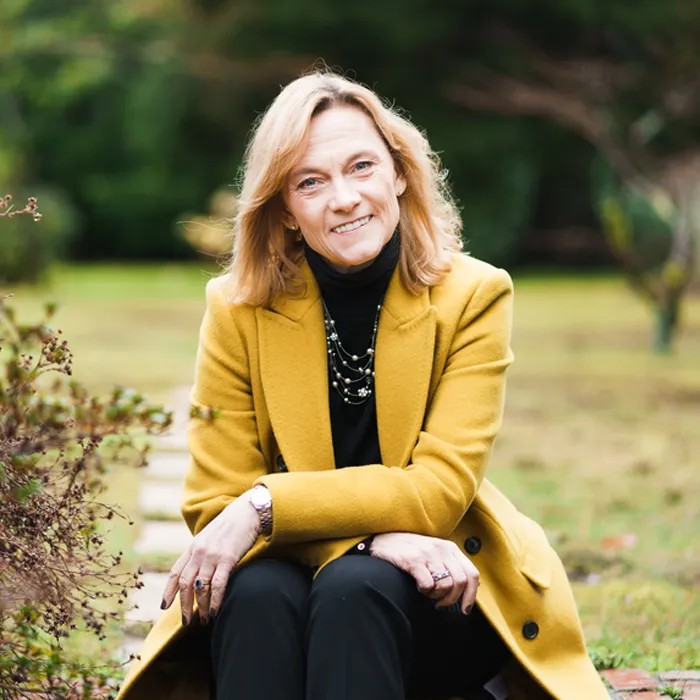
Alison Hutchinson
……who has pioneered a whole new approach to charitable giving as Co-founder and CEO at Pennies since 2009. The original idea came from a few people who were worried that the growth in digital payments, in the real world and online, would lead to big losses for charities that had traditionally shaken buckets and collected loose change. At the time, surveys confirmed that the UK’s preferred way to give was “dropping coins in a charity box” – it was easy, affordable and made people feel good. The solution envisaged was to digitise the activity, reflecting moves towards cashless and digital channel shopping. A new category, “micro-donations”, was born. The pioneering has involved some hard yards though. Two early decisions gave challenges in the short term but have proven to be correct. One was for Pennies to become a charity, so the organisation doesn’t seek to make any money but is growing a legacy of feel-good giving. The other was a decision to be independent and to apply some strong principles to make the activity sustainable, so wherever consumers shop and pay for goods and services via whatever channel, they will be given the option to donate small change, literally pennies, and it will always be their choice to opt in. This has meant working with many payment and technology providers, supporting many customer journeys, proving Pennies can operate in any consumer shopping or buying sector, and allowing any approved charity to benefit if nominated by the retail partner. For example The Entertainer supports children’s charities and Medivet supports the Wilderness Foundation. And on top of all of that, Pennies had to secure its own philanthropic funding to make it all a reality – much more challenging when another principle is to not detract from the money being raised for charities! So lots of learning along the way, many battles around 'this will never work' ….yet it is working incredibly well. £60m raised for more than 1,000 charities across 150 retailers, with momentum still growing as the idea becomes truly established.

Tim Mason
…was central to Tesco’s story of customer-focused success which spanned 30 years, starting in the early 80s. When Tim joined the business, it was described as a ‘scrappy upstart’, so it was his job, alongside a wider group of outward-looking and future-focused leaders, to professionalise Tesco. Under Sir Terry Leahy’s leadership, the customer-led breakthrough came in the ‘90s. Driven by a burning desire to get ahead of Sainsbury’s, there was a realisation that focusing on the end customer was how they could lead and grow. This was proven initially though a number of customer-first initiatives which were actioned in-store, under the banner of ‘every little helps’. The approach continued to gather pace with the launch of customer-needs-led store formats, own label at three price points and a great deal more, and culminated in the launch of Clubcard in 1995. As CMO, Tim had convinced the Tesco board that Clubcard would enable them to run the business better, turning their customer obsession into something that could be operationalised through the use of customer data. The results were better than anyone ever anticipated and now, nearly 30 years later, Clubcard is still at the heart of Tesco’s customer-first strategy.
In 2016, Tim joined the then UK-based but now global SaaS business, Eagle Eye as CEO. It continues the trajectory from Clubcard in helping retailers win by using data to serve customers in personalised ways, both on-and offline. The business helps them integrate the physical with the digital and they provide this capability for many of the world’s leading retailers. And you can read all about it, with the 2nd edition of Tim’s book, Omnichannel Retail: How to Build Winning Stores in a Digital World, published in September 2023.

Liam Young
…found himself doing the majority of his shopping online with one category proving particularly difficult – clothing. It’s the one example where you need to touch, feel and try on items before making a purchasing decision. The fact that you can’t online makes it hard to discover new brands and often left him with laborious returns to deal with. These were a hassle and the experience offered by delivery companies felt far removed from what retailers offered in store. So he founded Harper to fix it for shoppers and to help retailers provide in-store experience levels to those they served online. They do this through a network of mobile sales associates known as Style Concierges. It’s working well and growing strongly, for clothing shoppers and for retailers. These include Jigsaw, ME+EM, Victoria Beckham, LK Bennett and Selfridges, and they are enjoying growth in customer acquisition, larger baskets and improved retention.
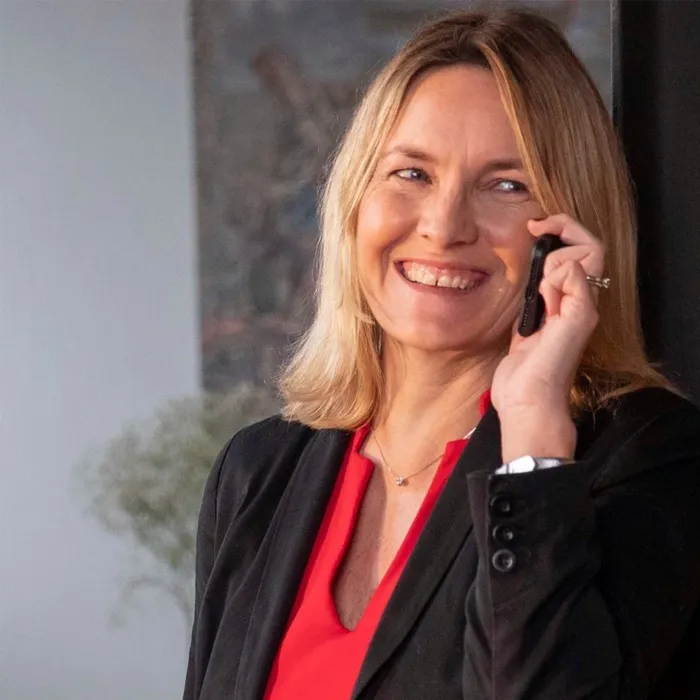
Sarah Speake
…who was part of the phenomenal period of Google’s rapid growth in Europe, taking a bigger picture view of the ways value could be created for Google’s B2B customers and agencies, and steering to overcome unintended consequences of the speed that things were moving at. Having developed a strategic view of the mediatech revolution, she then helped ITV and Clear Channel Outdoor respond from an incumbent perspective. Since then, Sarah’s tackled a whole range of challenges, but all linked by a thread of using technology for good, as she puts it, human-centric technology disruption (or customer pioneering as we put it).
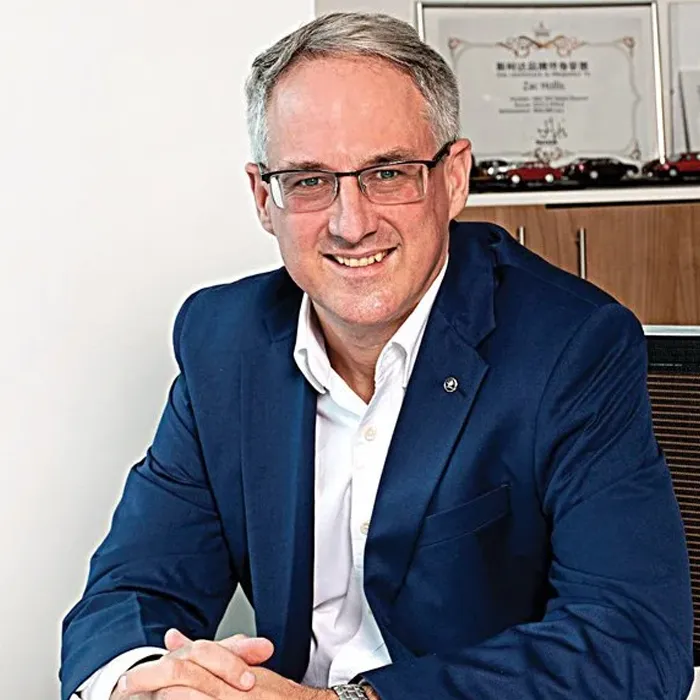
Zac Hollis
....who played a central role in the turnaround in fortunes of Skoda in India, a hair-raising story taking in corruption and trolls which he led them through as Sales & Marketing Director. He arrived in November 2018 to find Skoda 16th of 18 car manufacturers in the customer satisfaction ratings. Behind the headline was lots of noise, from dealers and customers, with a terrible online reputation, with cars that were too expensive to own, parts sold at rip-off prices, location a huge challenge, cheating dealers and a customer experience that didn’t match the premium or “Value Luxury” product experience. What followed was an impressive turnaround that involved clearing out corrupt dealers who had been in the system for 20 years. It also saw Zac becoming directly involved in Skoda’s social media in India, talking directly to the trolls. Through the introduction of cheaper format service centres and new investors, the dealer network trebled in size in 3 years. The culture was shaped by introducing values and a mantra for all staff to live by. By October 2022 when he went on a well-earned career break, the position was transformed and Skoda in India had risen to 3rd in CX with a side-effect of Zac having 25,000 Indian Twitter followers. This is customer pioneering against the odds!
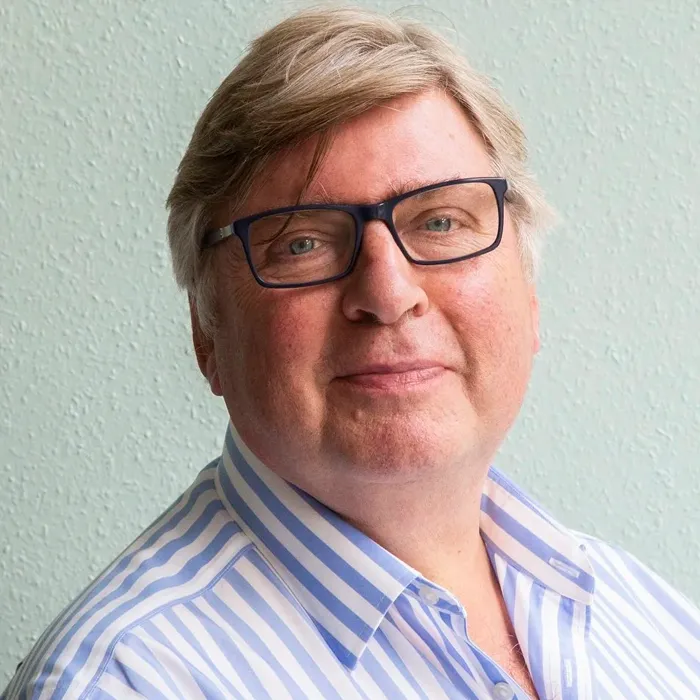
David Clayton-Smith
…who has pioneered commercially and in the NHS. At Halfords there was an issue with the car parts business. The competitive advantage in the fragmented market came from superior buying power allowing competitive pricing and high margins. This created a tricky situation with the buying teams relishing an 81% margin on starter motors but the reality that cars just don’t break down very much these days. Some customer listening provided clues…‘I used to get failed bulbs replaced when I took the car in for a service’, ‘cars only need servicing once a year and it’s a pain to buy bulbs/wipers etc from the garage’, ‘cars are so complex and fiddly, I find changing bulbs impossible’ and at a customer service conference….’actually Halfords in Chester were brilliant, they offered to fit my bulb but they don’t do it at weekends because it’s busy’. The response was a new service called ‘We’ll Fit It’. National pricing for a seven day service established, 350 stores had Gazebos, tools and training and 20 yrs on it’s still their most profitable line.
You can see his Pioneer interview here

Karen Usher
…who was central to the creation of an innovative new university with the aim of creating work-ready engineers while at the same time bringing a first university into the ecosystem of the county of Herefordshire. Originally working in the US with her own HR outsourcing business, Karen moved to the UK in 2004 and effectively retired from commercial work, focusing instead on working locally and undertaking projects such as the development of a hub meeting place and coffee shop for the community. In 2014 the local MP Jesse Norman began a quest to create a university in the county and, after writing to 100 US unis to see if they’d like to partner (and getting no response), he asked Karen to get involved. She led a small team to undertake the process and all soon realised that the only path forward was to create their own new university to meet the needs of the students and the economy of the surrounding area. The team spent 3-4 years learning what was needed, lobbying central government and defining how a new approach could address the desperate need for engineers. They found that engineering employers were needing to put recent graduates through up to 6 months additional training to make them ready for work. So the aim became to not just to achieve academic proficiency with the new university - the same as any other engineering institution - but to develop graduates already equipped with interdisciplinary capabilities of leadership, communication, business savvy and customer relations. The New Model Institute for Technology and Engineering (NMITE) is the result. And it’s very different… Admission criteria do not include Maths and/or Physics at A-Level. Students “work” (read, learn and study) 5-day weeks from 9 to 5, 48 weeks a year (accelerating to receive an MEng in 3 years). There are no lecture halls, there are no exams, and there is no work outside the “normal” work week. Students tackle one topic every 6-8 weeks in teams of five, based around a real world challenge supplied by an employer partner, and representing the required learning. All learning is through collaborative working applied immediately to deliver a real solution to the employer partner as “client”. Having started from scratch, leaders and teachers (who only want to teach – not do research) and the first, bold students joined in 2021. The first MEng's have now graduated and 100% of students were employed within 8 weeks of graduation, all in engineering positions. Some are working in Herefordshire (part of the objectives) and others with multinationals ranging from the nuclear industry to international food production. Fundraising is tough while you’re proving the model (and battling the regulatory requirements), but the initial £1million was raised from Herefordshire residents, government provided a further £27m and, over time double this initial funding, has been raised from businesses, individuals and charitable trusts. Most tellingly, a majority of staff are also financial contributors – serious commitment behind this bold, pioneering new idea.
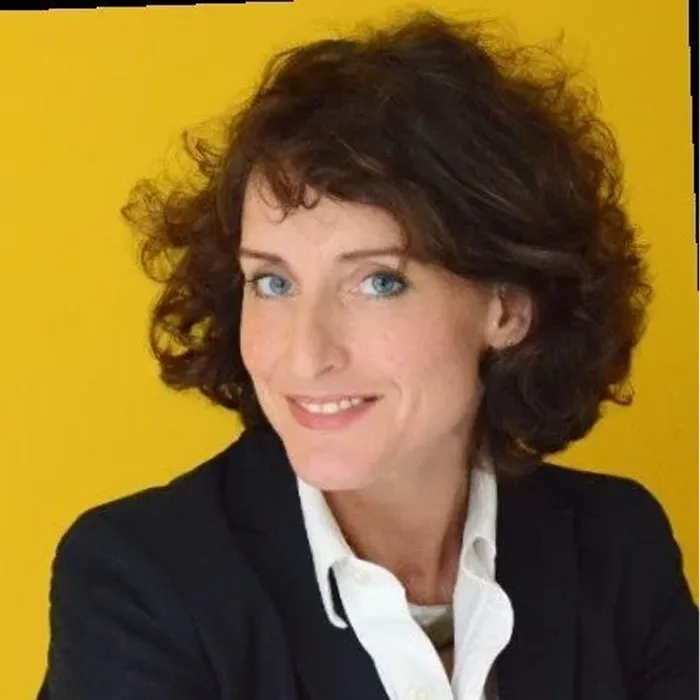
Dr Marie-Claude Gervais
… who is a UK leader in her field of research with seldom-heard consumers, including running wide-reaching listening to understand racism in cricket on behalf of the ICEC and ultimately the ECB. Her work has contributed to changing perceptions of racism across multiple public services including the police and the courts, and to a change in approach by the RNIB after showing that it is not blind people’s ‘impairment’ that stops them from living a full life but public attitudes that they are far more restricted than is really the case.

Charlie Dawson
…Co-author of The Customer Copernicus, founder of The Foundation, advertising lead on the launch of Daewoo Cars into the UK in 1995 as ‘the most customer focused car company in the UK’ with a unique, service-led proposition and wholly owner, differently configured business model, tackling an unmet customer need from frustrations with car dealers.

Anna Miley
…helped Cadbury move from health to happiness. In order to grow when health trends make it difficult, they needed to switch mindset (and comms and innovation) from defensive, so a glass and a half of milk in every bar, to celebratory, meaning joy. Owning and celebrating joy is what chocolate is all about, recognising the real role played in customers’ lives. A valuable insight that led to serious commercial value.

Charlie Sim
…who worked with the CEO of the ASA to turn the organisation around from focusing on managing complaints to protecting the benefits of advertising. This meant reconnecting with their love of marketing and why good marketing is great for society. They became proactive, reducing harm in areas like gambling. They embraced digital and tackled the role of paid-for influencers, making what they do for brands transparent.

John Sills
…launched HSBC’s first mobile banking app with a focus on checking balances, challenging the internal view that customers would rather wait for an all-singing feature-full app. It became the most used banking app in the UK with over 6 million interactions per week. The functionality led the market, changing assumptions and practice more widely. It reduced costs of contact into the bank and digital customer satisfaction increased by 25% in three months (largely reversing the fall caused by the unpopular Secure Key).
Sign up to our newsletter
Sign up to our newsletter, The Pioneer, for the latest customer-led thinking and inspiration

Sign up to our newsletter
Sign up to our newsletter, The Pioneer, for the latest customer-led thinking and inspiration

The customer-led
growth consultancy
207 King’s Cross Road, London WC1X 9DN
Privacy Policy
Website Terms of Use
All rights reserved. The Foundation 2026.
Designed by DM Design and Creative.
The customer-led growth consultancy
207 King’s Cross Road, London WC1X 9DN
All rights reserved. The Foundation 2026.
Designed by DM Design and Creative.